
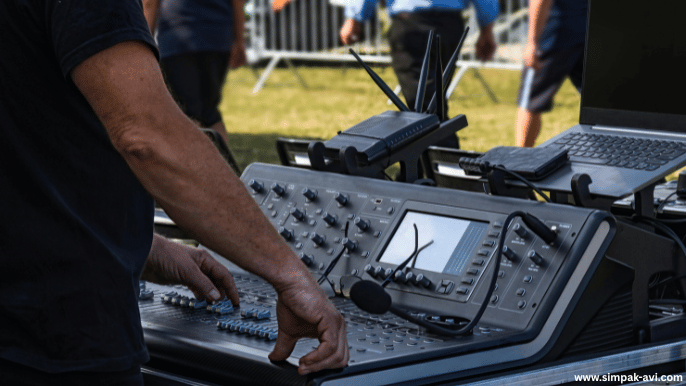
The Role of Acoustic Treatment in Professional Sound Design
Clear sound isn’t just about speakers, microphones, or amplifiers — it starts with the room itself. Even the most expensive audio equipment struggles in a space filled with echo, reverb, and unwanted reflections. That’s where acoustic treatment becomes essential. Whether you’re designing a conference room, classroom, auditorium, or training hall, the acoustics of the room determine how well people hear and understand each other.
For many businesses, sound issues show up as low clarity during meetings, muffled voices, or a constant echo that disrupts communication. Instead of replacing your equipment, the real solution is often to treat the room. At Simpak-AVI, we help organizations identify acoustic problems and implement effective solutions that enhance speech clarity and improve the overall AV experience. This guide explains why acoustic treatment matters and how it transforms professional sound design.
1. Why Acoustic Treatment Matters in Modern Workspaces?
Many offices and conference rooms are built with glass walls, hard floors, and open layouts. While they look great, these surfaces reflect sound, causing echo and reverb. This creates confusion during meetings, especially in hybrid setups where microphones pick up unwanted reflections. Acoustic treatment absorbs or diffuses these reflections, ensuring voices sound natural and clear.
A well-treated room improves focus, reduces listener fatigue, and enhances productivity. In corporate settings, it boosts the quality of video conferences and presentations. In schools or auditoriums, it ensures that every student or audience member hears the message clearly. Acoustic treatment is the foundation of professional sound design, and without it, even the best AV equipment cannot perform at its full potential.
2. Common Acoustic Problems in Offices and Halls
Most sound issues come from the room’s construction materials and layout. Glass partitions, tiled floors, metal surfaces, and bare walls all make sound bounce around excessively. This leads to echo, standing waves, and uneven sound distribution. In conference rooms, these issues make voices sound distant, hollow, or unclear — especially over video calls.
Large halls face problems such as delayed reflections and poor speech intelligibility. Schools often have classrooms with hard surfaces that amplify noise instead of absorbing it. Identifying these problems early helps businesses implement the right acoustic solutions. At Simpak-AVI, we conduct on-site assessments to pinpoint what exactly is causing the distortion or echo and recommend practical remedies.
3. Types of Acoustic Treatment Solutions
Acoustic treatment is not one product — it involves multiple components working together. Acoustic panels are commonly used on walls to absorb mid and high frequencies, improving speech clarity. Bass traps reduce low-frequency buildup in larger halls or auditoriums. Acoustic ceilings help control ceiling reflections, especially in tall rooms. Diffusers scatter sound waves to create a balanced audio environment without over-absorption.
For conference rooms, acoustic wall panels and ceiling clouds are usually enough to achieve excellent clarity. In classrooms and training spaces, fabric-wrapped boards help reduce noise and echo. Simpak-AVI designs acoustic packages customized to room size, purpose, and material layout — ensuring the best balance of absorption and diffusion for natural, clean sound.
4. How Acoustic Treatment Improves AV Performance?
A good microphone or speaker can only do so much in a reflective room. When sound bounces around, microphones pick up multiple reflections, causing speech to sound doubled or unclear. Acoustic treatment allows microphones to capture direct sound — not unwanted echoes. This leads to better audio quality during calls, recordings, and presentations.
Similarly, speakers deliver clearer sound in a treated environment. Whether you are conducting a boardroom meeting or addressing an auditorium, proper treatment ensures the sound reaches the audience evenly. Hybrid meetings benefit greatly, as remote participants hear voices more clearly without echo or background noise. For any AV system to perform professionally, acoustic treatment is a core requirement.
5. Acoustic Treatment for Conference Rooms
Conference rooms require precise treatment because they host presentations, client meetings, and video conferences. Echo or poor clarity can negatively impact communication and professionalism. Installing wall panels, corner baffles, and ceiling absorbers dramatically improves voice quality. These treatments enhance microphone pickup and prevent sound from bouncing between glass panels and hard surfaces.
With hybrid meetings becoming the norm, clear speech is more important than ever. Video conferencing platforms like Zoom, Teams, and Google Meet perform significantly better in acoustically treated rooms. Simpak-AVI specializes in converting standard meeting rooms into sound-optimized spaces that amplify your corporate AV system’s performance.
6. Acoustic Treatment for Schools and Auditoriums
Educational spaces depend heavily on verbal communication. Classrooms with excessive echo make it hard for students to concentrate or understand the teacher. Acoustic treatment reduces noise and ensures the teacher’s voice is delivered clearly across the entire room. In auditoriums, treatment prevents sound “bounce-back,” enabling clear announcements, performances, or presentations.
Simpak-AVI provides solutions like classroom acoustic boards, stage-side panels, and large-area absorbers for halls. These upgrades improve speech intelligibility, reduce background noise, and create an environment ideal for learning and engagement.
FAQ’s
1. What is acoustic treatment?
It improves room sound by reducing echo and unwanted reflections.
2. Do all conference rooms need acoustic panels?
Rooms with hard surfaces or echo issues benefit greatly.
3. How long does installation take?
Most rooms can be treated within a few hours to one day.
4. Does acoustic treatment help hybrid meetings?
Yes, it makes the microphone pickup clearer for remote participants.
5. Do you provide customized acoustic solutions?
Yes, Simpak-AVI designs treatments based on room size and purpose.
Conclusion
Acoustic treatment is one of the most effective ways to improve sound quality in offices, classrooms, and auditoriums. It transforms how people hear, understand, and engage — making every interaction clearer and more efficient. At Simpak-AVI, we offer customized acoustic treatment solutions that enhance your AV system’s performance and create a professional audio environment.
If your space suffers from echo, unclear sound, or poor speech clarity, now is the perfect time to upgrade.
Contact Simpak-AVI today for a free acoustic assessment.