
Audio Cables Explained — Understanding the Right Cable for Your Sound Setup (by Simpak-AVI)
Choosing the right audio cable is one of the most essential steps in building a dependable, splendid sound machine. At Simpak-AVI, we recognise that selecting the incorrect cable can create issues such as noise, signal loss, distortion, and inconsistent performance. Whether you're putting in audio for a home studio, corporate event, PA system, or overall performance, selecting an appropriate cable guarantees seamless communication between your equipment. Each cable kind serves a unique cause, and learning their roles allows you to obtain clean, expert-grade audio results. From balanced and unbalanced connections to analogue and digital signal paths, each detail is discussed in a present-day AV surroundings. In this guide, Simpak-AVI breaks down the most common audio cables, explains where and when to apply them, and offers practical insight so that you can avoid unusual audio problems. By the stop, you’ll recognise exactly which cable suits your mixer, microphone, speakers, instruments, and AV gadgets.
Why Choosing the Right Audio Cable Matters for Your Setup — Simpak-AVI Guide?
Many human beings expect that all cables are similar; however, at Simpak-AVI, we recognise that they may be the backbone of every audio device. A cable includes delicate electrical signals, or even small variations in high-quality can have an effect on readability, quantity, and usual performance. Using the wrong kind might also introduce noise, static, hums, or interruptions—problems which can harm your audio reputation in the course of meetings, recordings, or stay occasions. Whether it’s a small workplace setup or a full auditorium installation, your audio cable needs to be chosen with care. Factors like defensive, duration, conductor kind, and connector compatibility are critical in figuring out how cleanly a sign travels. As AV experts, Simpak-AVI continually recommends deciding on cables that suit both the tool and the surroundings. This guarantees your sound machine provides solid, professional-grade output without distortion or interference.
Balanced vs Unbalanced Cables — What’s the Difference?
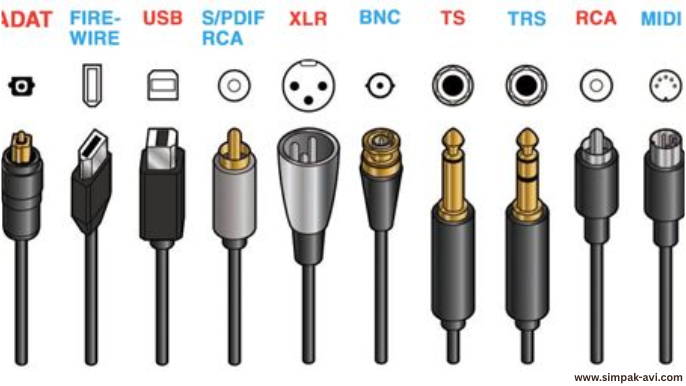
Balanced and unbalanced cables serve one-of-a-kind roles, and selecting the incorrect you can actually create undesirable noise. Balanced cables, inclusive of XLR and TRS, use signal wires plus shielding to cancel interference, making them ideal for lengthy cable runs and professional setups. At Simpak-AVI, we use balanced connections for microphones, mixers, processors, and stage devices to assure clean, noise-free sound. Unbalanced cables, like TS and RCA, use the most effective signal conductor and are more effective for shorter distances where the interference hazard is lower. Consumer devices—along with DVD players or keyboards—frequently depend on unbalanced cables. Understanding where every kind fits improves clarity and reliability, and Simpak-AVI’s AV installations always match cable kind to gadget to hold pinnacle-tier sound best.
Analogue vs Digital Audio Cables for Modern Sound Systems — Simpak-AVI Expertise
Analogue cables carry non-stop electric indicators, at the same time as virtual cables transmit facts in binary form. Both cable types remain crucial in Simpak-AVI’s installations, relying on system necessities. Analogue cables like XLR, TRS, and RCA are normally used for microphones, amplifiers, musical gadgets, and mixers. These require the right protection to avoid noise. Digital cables, consisting of HDMI and optical (TOSLINK), transmit audio as virtual records, making sure smooth and correct sound even over longer distances. They assist high-resolution formats and are popular in home theatres, convention setups, and hybrid AV environments. Simpak-AVI recommends the usage of digital cables when you need a precise signal switch with minimum interference, specifically in contemporary AV structures.
How Cable Quality Affects Sound Performance — Simpak-AVI Recommendation?
Cable greatly impacts your sound output. High-quality cables use robust shielding, durable connectors, and pure conductors—features that maintain signal integrity. At Simpak-AVI, we prioritise top-class cables for installations due to the fact that they reduce noise, prevent signal dropouts, and provide long-term reliability. Poor-excellent cables may fail at some stage in events, degrade the signal, or purpose interruptions at important moments. Features including oxygen-unfastened copper, braided defensive, and gold-plated connectors contribute to better consistency. For permanent setups in studios, auditoriums, and boardrooms, Simpak-AVI recommends making an investment in reliable, nicely-constructed audio cables to ensure stable sound throughout all gadgets.
XLR Cables — Best for Microphones and Professional Audio Gear
XLR cables are the industry fashionable for microphones, PA systems, and professional audio equipment. They deliver balanced audio, disposing of undesirable noise and ensuring smooth signal transfer even throughout long distances. Simpak-AVI uses XLR cables in level setups, company activities, studios, and auditorium installations due to their reliability and compatibility. Their locking mechanism prevents accidental disconnections at some point during a performance or presentation. Whether you are recording vocals or live sound, XLR cables remain important for achieving stable, extremely good audio.
TRS Cables — Ideal for Headphones, Mixers, and Patch Cables
TRS cables deliver both balanced mono and stereo audio, making them versatile for expert and purchaser use. Commonly discovered in headphone outputs, mixers, studio monitors, and patch bays, they assist in holding a smooth audio float in studio and event setups. Simpak-AVI often makes use of TRS cables in locations where compact connectors and excessive signal readability are required. Their capability to reduce noise makes them appropriate for short to mid-variety connections in both stay and recording environments.
RCA Cables — For Consumer Devices and Short-Range Audio
RCA cables are widely utilised in domestic audio systems, DVD gamers, projectors, and older AV systems. They carry unbalanced analogue indicators and are suitable for short-distance connections. Simpak-AVI uses RCA cables when integrating patron gadgets into convention rooms, classrooms, or media setups. Although they do not offer the noise protection of balanced cables, shielded RCA cables nevertheless deliver terrific results when used efficiently. Keeping RCA cables short and nicely managed ensures clean sound without signal interference.
TS Cables — Common for Guitars and Instrument Connections
TS cables are typically used for guitars, keyboards, and other instruments. Because they are unbalanced, they work best for short distances to minimise noise. Musicians and studios rely on TS cables for their strong, clean output and simplicity. Simpak-AVI uses high-quality shielded TS cables in stage and rehearsal room installations to maintain clarity while reducing interference. Although simple, selecting a durable TS cable helps avoid signal issues during performances.
Optical & HDMI Cables — Digital Solutions for Modern AV Systems
Optical (TOSLINK) and HDMI cables are critical in contemporary virtual AV structures. Optical cables transmit audio via light in preference to strength, imparting immunity to interference—ideal for domestic theatres and conference rooms. HDMI cables bring audio and video, and Simpak-AVI often uses them for projectors, presentations, hybrid meeting rooms, and virtual signage. These cables aid excessive-decision audio codecs and more than one channel, making them a complete answer for present-day installations. For any superior AV setup, Simpak-AVI recommends HDMI for versatility and ease.
FAQs
Q1: Which cable does Simpak-AVI recommend for microphones?
XLR cables are used because they provide balanced audio and excellent noise reduction.
Q2: Can Simpak-AVI help choose the right cables for my setup?
Yes! Simpak-AVI specialises in designing complete AV systems and can recommend the best cables for any environment.
Q3: Are premium cables worth it?
Absolutely — Simpak-AVI recommends quality cables for long-term reliability, stronger signal integrity, and noise-free performance.