Top 7 Audio Accessories Every Podcaster Needs in 2025
Podcasting is now not just an aspect of interest—it’s a booming industry, and 2025 is shaping up to be its biggest 12 months yet. From creators recording in their bedrooms to complete production studios, we are all following that clean, expert sound. But here’s the take: even if your content material is excellent, bad audio can turn listeners away in seconds. That’s exactly why the right add-ons are remembered.
At Simpak AVi, we’ve seen how even the smallest component of a system can significantly transform the way a podcast sounds. It’s no longer always about spending massively on fancy tools—it’s about investing in dependable, practical gear that makes recording smoother and your voice sharper. If you’re making plans to upgrade your setup this year, right here are seven add-ons that every podcaster should have.
1. A Good Microphone
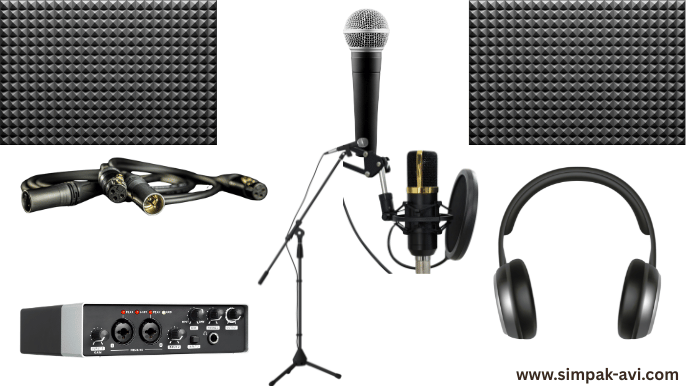
Think of your microphone as the anchor of your podcast. Without it, nothing else matters. In 2025, most podcasters nevertheless lean toward two kinds: dynamic mics and condenser mics. If you’re recording in a room that’s not soundproofed, a dynamic mic enables you to reduce undesirable noise. However, if you have a treated studio, a condenser mic will give you that rich, distinct sound. A solid mic is not just an accessory—it’s the difference between sounding amateur and sounding like a pro.
2. Pop Filter or Windscreen
Ever notice how harsh “P” and “B” sounds can ruin an otherwise smooth recording? That’s where a pop filter comes in. It’s a simple mesh screen that softens those plosive sounds, making your voice easier on the ears. Windshields serve the same purpose and also keep your mic safe from moisture. For such a small investment, the quality improvement is massive.
3. Audio Interface
An audio interface is just like the translator between your mic and your computer. Instead of relying on your computer’s built-in sound card, which is often vulnerable, an interface boosts sound quality, offers phantom power for condenser microphones, and allows you to plug in a couple of microphones for interviews. In a quick: in case you’re critical about podcasting, an interface isn’t non-compulsory—it’s important.
4. Monitoring Headphones
Publishing a podcast without tracking your audio is like serving meals without tasting them first. A true pair of closed-back headphones lets you catch history hums, mic pops, or distortions before they spoil a recording. Comfort matters too—since you’ll put on them for long stretches, go for headphones that don’t feel heavy or tight after an hour.
5. High-Quality Audio Cables
You might not think about cables much, but trust us—bad cables can kill good audio. Cheap wires often bring crackling, interference, or random dropouts. For podcasters, XLR to XLR, 3.5mm AUX to XLR, and 6.35mm to RCA cables are the most common connections. At Simpak AVi, we design cables with proper shielding and durable connectors, so you never have to worry about losing sound in the middle of an important recording.
6. Boom Arm or Mic Stand
Holding your microphone even as speaking might work for a five-minute voice, but not for an hour-long podcast. A strong growth arm or stand keeps the mic at the appropriate distance out of your mouth, while additionally preserving your desk litter-free. The more recent hands available in 2025 are flexible, glossy, and easy to adjust—so you can focus on speaking, not on juggling equipment.
7. Acoustic Treatment
This is the step most beginners skip—and regret later. Your room plays a huge role in how your podcast sounds. Simple fixes like adding foam panels, hanging heavy curtains, or even using a carpet can make your audio much cleaner by cutting out echo and background noise. Acoustic treatment doesn’t need to be fancy, but it makes all the difference between a “bedroom sound” and a professional one.
Why These Accessories Are Non-Negotiable in 2025?
Podcasting has matured into a hard medium, and listeners now count on easy, studio-like audio. A shaky connection, buzzing cable, or noisy history could make them switch off immediately. With these add-ons, you don’t just get higher sound—you also might show your target market that you recognize their listening experience. And with regards to cables and connectors, Simpak AVi guarantees your setup is constantly dependable.
Final Thoughts
Starting a podcast doesn’t mean buying the most expensive equipment out there. What subjects are deciding on the right tools? A true mic, a pop filter out, an audio interface, proper headphones, outstanding cables, a growth arm, and a few primary acoustic treatments—that’s your recipe for professional-sounding episodes in 2025.
At Simpak AVi, our goal is simple: to keep your sound chain strong and dependable. Explore our series of top-rate cables and audio add-ons these days, and provide your podcast the clarity it deserves.
FAQ’s
Q1: Do I really need an audio interface for podcasting?
Yes, an interface improves readability and offers you more management, especially with a couple of microphones.
Q2: Can I start podcasting without acoustic treatment?
You can, but even basic fixes like curtains or rugs will make your sound much cleaner.
Q3: Are cheap audio cables really that bad?
Yes, poor cables cause noise and break easily. Professional cables save you time and money in the long run.