
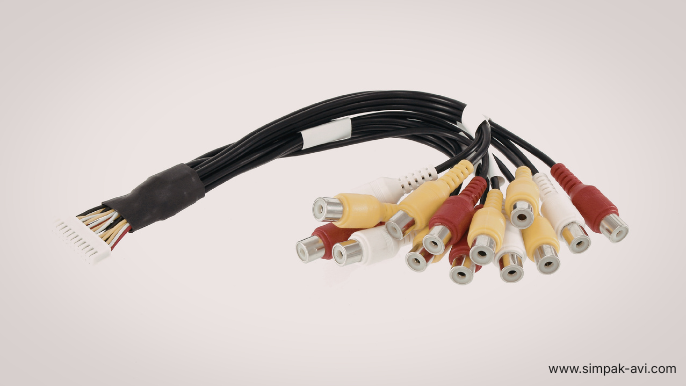
Common Audio Cable Mistakes That Ruin Sound Quality (And How to Avoid Them?)
Most people blame speakers, microphones, or mixers when their sound doesn’t feel right. But in reality, the problem often starts much earlier—in the cables. Audio cables are usually the last thing people think about, yet they form the backbone of every sound system. Whether you’re running a home studio, handling live events, working with PA systems, or setting up professional audio equipment, small mistakes in cable selection or usage can completely ruin sound quality. Buzzing noise, signal drops, uneven audio, and distortion are all signs of cable-related issues. In India, especially, where setups often mix old and new equipment, cable mismatches are very common. The good news is that most of these problems are avoidable. Once you understand the common mistakes and how to fix them, your existing equipment will perform far better without unnecessary upgrades.
Using the Wrong Type of Audio Cable
One of the biggest mistakes people make is using the wrong cable type for the job. Not all cables are interchangeable, even if the plugs look similar. For example, using a stereo cable where a mono connection is required can result in weak output or missing channels. Similarly, connecting professional equipment with consumer-grade AUX or RCA cables often introduces noise. Microphones and mixers are designed to work with balanced cables, while instruments like guitars use unbalanced connections. When the wrong type is used, signal integrity suffers. This is especially common in event setups where last-minute cable swapping happens. Always check whether the equipment requires balanced or unbalanced cables and match them correctly. Choosing the right cable type ensures proper signal flow and prevents unnecessary sound issues.
Ignoring Cable Quality and Build
Another common mistake is assuming all cables are the same. Cheap cables may work initially, but they rarely last long. Poor shielding allows electrical interference to enter the signal path, causing humming or buzzing sounds. Weak connectors loosen over time, leading to crackling noise when the cable moves. In professional environments, this becomes a serious issue. High-quality cables use better conductors, stronger insulation, and proper shielding to protect the signal. They also withstand frequent plugging and unplugging. Investing in well-built cables saves money in the long run by reducing replacements and troubleshooting time. Sound quality improves instantly when cables are reliable and stable.
Running Unbalanced Cables Over Long Distances
Unbalanced cables are not designed for long cable runs, yet this mistake happens frequently. When unbalanced cables are used over longer distances, they act like antennas, picking up interference from lights, power cables, and other electronic equipment. This results in noise that becomes more noticeable as cable length increases. Balanced cables are specifically designed to cancel out interference, making them ideal for long runs in studios and live setups. If you need to run cables across a stage or large room, using balanced connections is essential. Keeping unbalanced cables short helps maintain clean sound and prevents unwanted noise.
Mixing Adapters and Converters Carelessly
Adapters can be useful, but relying on too many of them is a common mistake. Each adapter introduces an additional connection point, increasing the risk of signal loss and noise. Poor-quality adapters are especially problematic, as they often have loose contacts or poor internal wiring. Many setups suffer simply because the correct cable was not used in the first place. Instead of chaining multiple adapters, it’s always better to use a single, proper cable designed for that specific connection. This reduces signal degradation and improves overall reliability. Clean signal paths always perform better than complicated adapter chains.
Poor Cable Management and Storage
Cable handling is often ignored, but it plays a major role in cable lifespan. Wrapping cables too tightly, pulling them by the connector, or storing them in tangled bundles damages the internal wiring over time. This leads to intermittent faults that are hard to diagnose. In live sound and event setups, poor cable management causes unexpected failures during performances. Proper coiling techniques, avoiding sharp bends, and storing cables neatly extend their life significantly. Labelling cables also helps during quick setups and reduces unnecessary handling. Good cable habits directly translate into better performance and fewer problems.
Using Old or Damaged Cables Without Checking
Many people keep using old cables simply because they still “work.” However, internal damage is not always visible. Over time, conductors weaken, shielding degrades, and connectors loosen. This results in inconsistent performance—sometimes the cable works, sometimes it doesn’t. In studios, this leads to wasted time troubleshooting. In live events, it can cause embarrassing sound failures. Regularly checking cables and replacing worn ones is essential. Treat cables as consumable components, not permanent assets. Replacing them before they fail saves both time and reputation.
Why Choosing the Right Cables Makes a Big Difference?
When cables are chosen correctly and handled properly, the entire audio system performs better. Clean signal transfer reduces noise, improves clarity, and ensures consistent output levels. Equipment works the way it was designed to, without unnecessary interference. At Simpak AVi, we design audio cables with real-world usage in mind—frequent setup changes, mixed equipment, and long operating hours. Proper shielding, durable connectors, and reliable construction ensure stable performance in studios, events, and professional installations. The right cable doesn’t draw attention to itself—it simply works.
Final Thoughts
Most audio problems are not caused by expensive equipment failures but by simple cable mistakes. Using the wrong cable type, ignoring build quality, running cables incorrectly, or relying on damaged connections can ruin sound quality instantly. The solution is not always buying new gear, but fixing the foundation of your setup. By avoiding these common mistakes and investing in proper audio cables, you unlock the full potential of your system. Reliable sound starts with reliable connections, and that’s where smart choices make all the difference.
FAQ’s
Why does my sound buzz even with good equipment?
Buzzing is often caused by poor-quality or incorrect cables picking up interference.
Can cheap cables damage my equipment?
They usually don’t damage gear, but they can cause unstable connections and signal issues.
How often should audio cables be replaced?
If used regularly, cables should be checked yearly and replaced when signs of wear appear.