
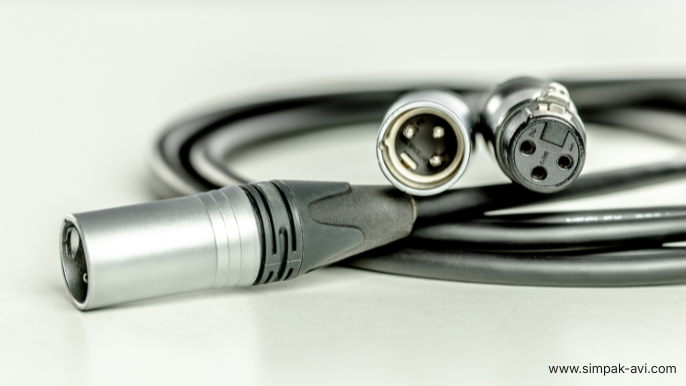
How to Choose the Right Audio Cable for Your Setup? (Studio, Stage & Home)
Choosing the right audio cable may seem like a minor decision, but in reality, it can significantly impact how your sound system performs. Many people invest in good microphones, speakers, mixers, and instruments, yet still struggle with noise, signal loss, or unclear sound. In most cases, the problem isn’t the equipment—it’s the cable connecting everything. Different setups require different types of cables, and using the wrong one can lead to constant troubleshooting and frustration. Whether you’re setting up a home studio, managing live stage sound, or simply connecting audio equipment at home, understanding which cable suits your setup is essential. In 2026, with modern audio gear becoming more sensitive and powerful, choosing the correct cable is no longer optional. This guide will help you make the right choice based on your specific needs.
Understanding Your Audio Setup First
Before selecting any cable, the first step is understanding where and how it will be used. A home audio setup typically involves shorter cable runs and fewer devices, whereas studio and stage setups often require longer distances and more complex connections. Microphones, mixers, amplifiers, speakers, and instruments all have different signal requirements. Another important factor is whether your setup involves frequent movement, like live events, or remains mostly fixed, like a studio installation. Knowing this helps you decide between balanced and unbalanced connections, cable length, and build quality. Many people buy cables based only on connector type, but ignoring the setup environment often leads to noise and signal issues later. Always match the cable to the application, not just the plug.
Choosing Audio Cables for Studio Setups
Studio environments demand clean, consistent sound with minimal interference. Microphones and audio interfaces typically use balanced connections because studio signals are low-level and sensitive to noise. Balanced cables help cancel out interference from nearby electronics, lighting, and power lines. Monitor speakers also benefit from balanced cables, especially when placed at a distance from the interface or mixer. In studios, cable quality matters just as much as equipment quality because sessions can last hours, and even small issues become noticeable. Durable connectors, proper shielding, and reliable construction ensure that recordings remain clean and uninterrupted. Investing in professional-grade studio cables reduces editing time and prevents unnecessary retakes.
Choosing Audio Cables for Live Stage and Events
Live sound setups are much tougher on cables than studio environments. Cables are constantly plugged, unplugged, stretched, and sometimes stepped on. Long cable runs across stages increase the risk of interference and signal loss. This makes balanced cables essential for microphones, mixers, and speaker connections. Stage setups also require cables that can handle rough handling without internal damage. Poor-quality cables can fail mid-performance, causing embarrassing sound drops. For events, reliability is more important than anything else. Choosing cables designed for professional use ensures stable performance even in challenging conditions like outdoor venues or high-power lighting environments.
Choosing Audio Cables for Home Audio Systems
Home audio setups are usually simpler, but cable choice still matters. Short distances reduce the risk of interference, so unbalanced cables often work well for TVs, music systems, and personal speakers. However, using low-quality cables can still cause noise or uneven sound. Home users often mix old and new equipment, which increases the chances of cable mismatches. Choosing the correct cable type and length ensures proper signal flow and a better listening experience. Even at home, good cables improve clarity and reduce wear on connectors. A clean setup with the right cables lasts longer and performs better.
Cable Length, Build Quality, and Shielding
Cable length plays a bigger role than many people realise. Longer cables increase resistance and the chance of interference, especially with unbalanced connections. Always use the shortest length that comfortably fits your setup. Build quality is equally important. Strong connectors prevent loose connections, while proper shielding blocks unwanted noise. Poor shielding is a common cause of buzzing and humming sounds. Professional cables are designed with these factors in mind, ensuring consistent performance over time. Spending slightly more on well-built cables saves money by reducing replacements and maintenance.
Why Buying the Right Cable Matters in the Long Run?
Using the right audio cable improves sound quality, reliability, and peace of mind. Clean connections allow equipment to perform exactly as designed, without limitations caused by weak signal paths. In professional environments, this means fewer technical issues and smoother workflows. In-home setups mean better sound without constant adjustments. At Simpak AVi, audio cables are designed for real-world use—mixed setups, frequent handling, and long hours of operation. Choosing the right cable once prevents repeated problems later.
Final Thoughts
Audio cables are not accessories—they are essential components of every sound system. Choosing the right cable based on your setup type ensures clean sound, stable performance, and long-term reliability. Whether you’re building a studio, running live events, or upgrading your home system, the right cables make all the difference. A strong audio setup always starts with strong connections.
FAQ’s
How do I know which audio cable I need?
Check your equipment type, distance, and whether the connection needs to be balanced or unbalanced.
Does cable quality really affect sound?
Yes, poor cables introduce noise, signal loss, and connection issues.
Should I buy longer cables for flexibility?
No, always use the shortest suitable length to reduce interference and signal loss.